
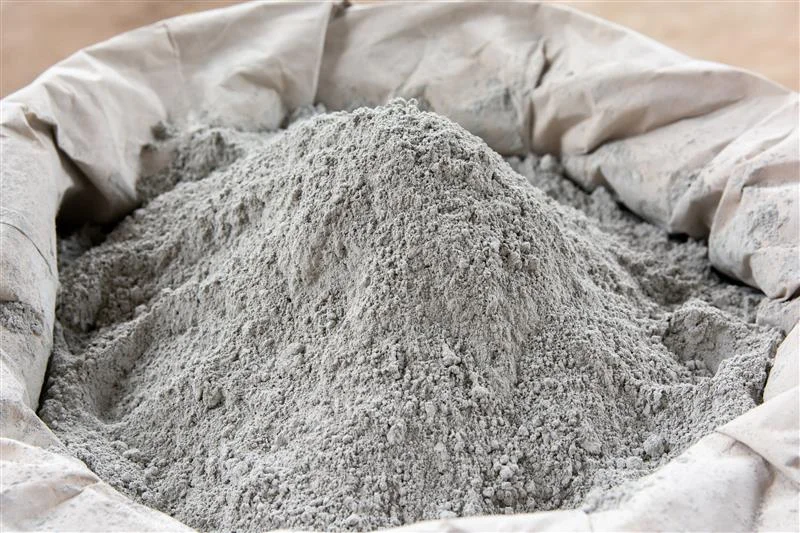
Buildings designed to withstand extreme weather, flooding, seismic activity, and other hazards depend on materials that can perform under demanding conditions. Cement plays a critical role in concrete strength, durability, structural stability, and resistance to environmental stress, making material quality an important consideration in resilient construction.
Working with experienced cement suppliers in UAE can help construction teams access suitable cement products and maintain the material standards needed for stronger, more resilient structures.
Supporting durable structures
Cement forms the foundation of many structures designed to withstand severe weather and ground movement. Its quality directly affects concrete strength, durability, and performance under pressure. Reliable suppliers provide cement that meets established standards and suits specific construction requirements.
Contractors use consistent material for foundations, columns, bridges, retaining walls, drainage systems, and shelters. This consistency helps construction teams produce structures with dependable strength across different stages of development.
Maintaining material quality
Disaster-resilient construction starts with dependable raw materials. Cement suppliers maintain quality through proper sourcing, storage, handling, and testing. They provide products with consistent composition and performance, giving contractors greater control over concrete mixes.
Suppliers also share technical information about suitable grades and applications. Such support helps project teams select appropriate cement for structures exposed to moisture, heat, vibration, heavy loads, or repeated environmental stress.
Ensuring reliable supply
Large construction projects require steady cement availability, especially during emergency rebuilding after floods, earthquakes, or storms. Suppliers coordinate stock levels, deliveries, and distribution schedules so work progresses without major interruptions.
Strong supply networks also help contractors respond quickly when damaged roads, homes, schools, hospitals, and public facilities require reconstruction. A dependable supplier supports project momentum by keeping essential cement available at the right stages.
Supporting emergency reconstruction
Disasters can damage infrastructure across wide areas, creating sudden demand for construction materials. Cement suppliers help recovery teams respond by providing suitable products for repairs, foundations, roads, bridges, drainage channels, and temporary facilities.
Their distribution networks allow contractors to serve several sites while maintaining material standards. Timely deliveries also help communities restore essential facilities and improve structural safety after severe events.
Working with construction teams
Effective cooperation between suppliers, engineers, contractors, and project managers supports better construction outcomes. Suppliers share product specifications, storage guidance, delivery information, and technical recommendations with project teams. This communication helps workers use cement correctly and maintain consistent concrete performance.
Suppliers who understand project requirements also support material selection for demanding applications, helping engineers develop structures suited to local environmental and structural conditions.