
One striking sculpture can give a hotel lobby, restaurant, or outdoor terrace a memorable focal point. Behind the finished artwork, however, lie design fees, material costs, fabrication, delivery, and installation. Hotel owners gain better financial control by reviewing each expense early and selecting custom sculpture concepts that match project priorities.
Define the purpose before setting a budget
Every sculpture project starts with a clear purpose. A grand lobby centerpiece attracts attention, while smaller artistic pieces complement corridors, restaurants, and guest suites. Hotels should identify the intended location, audience, and visual impact before discussing prices with artists.
A defined purpose helps management allocate funds wisely and prevents unnecessary design changes during production.
Compare materials and their costs
Material selection influences the initial price and long-term expenses. Fiberglass offers lightweight construction, flexible detailing, and excellent design possibilities. Bronze delivers a prestigious appearance, while stainless steel suits contemporary interiors and outdoor installations.
Stone provides natural texture and visual weight. Hotels should compare material prices, finishing requirements, transportation expenses, and maintenance costs before approving a final specification.
Consider size and installation expenses
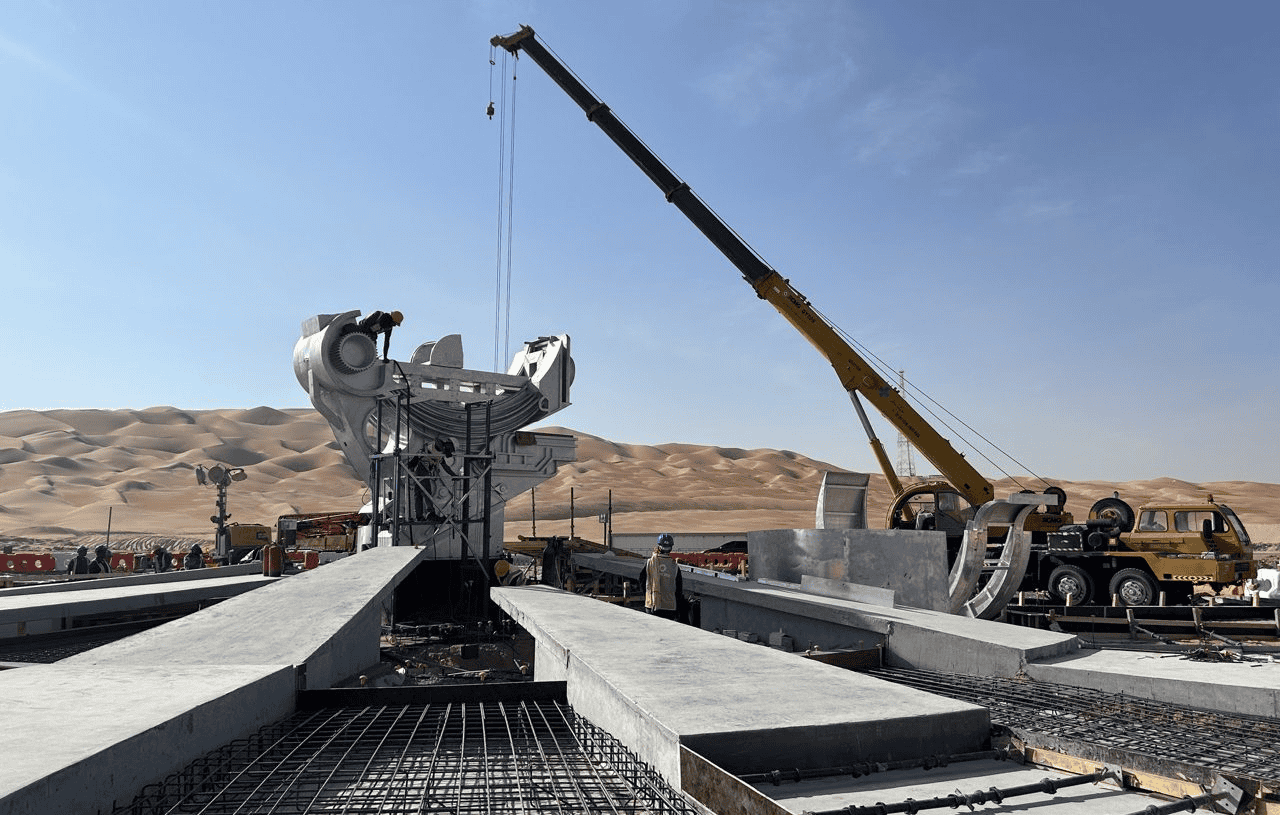
Large sculptures require additional materials, structural support, transportation arrangements, and installation equipment. Ceiling height, doorway dimensions, floor strength, and available working space also influence project expenses.
Hotels should share accurate site measurements with the artist before production begins. Early technical discussions help teams estimate installation charges and avoid expensive adjustments after the sculpture reaches the property.
Allocate funds for artistic details
Intricate patterns, custom finishes, hand painted surfaces, and complex shapes increase production costs. Hotels should identify the details that deserve the largest share of their budget. A distinctive silhouette or carefully selected finish may deliver greater visual appeal than numerous decorative elements.
Clear design priorities help artists maintain quality while keeping production expenses within approved limits.
Include maintenance in the financial plan
Sculpture budgets should account for cleaning, protective coatings, inspections, and occasional restoration. Outdoor installations face sunlight, humidity, rain, and temperature changes, while indoor pieces encounter dust and frequent human contact.
Hotels should discuss maintenance schedules and suitable cleaning products with the manufacturer. Setting aside an annual maintenance allowance protects the original investment and preserves the sculpture’s appearance.