
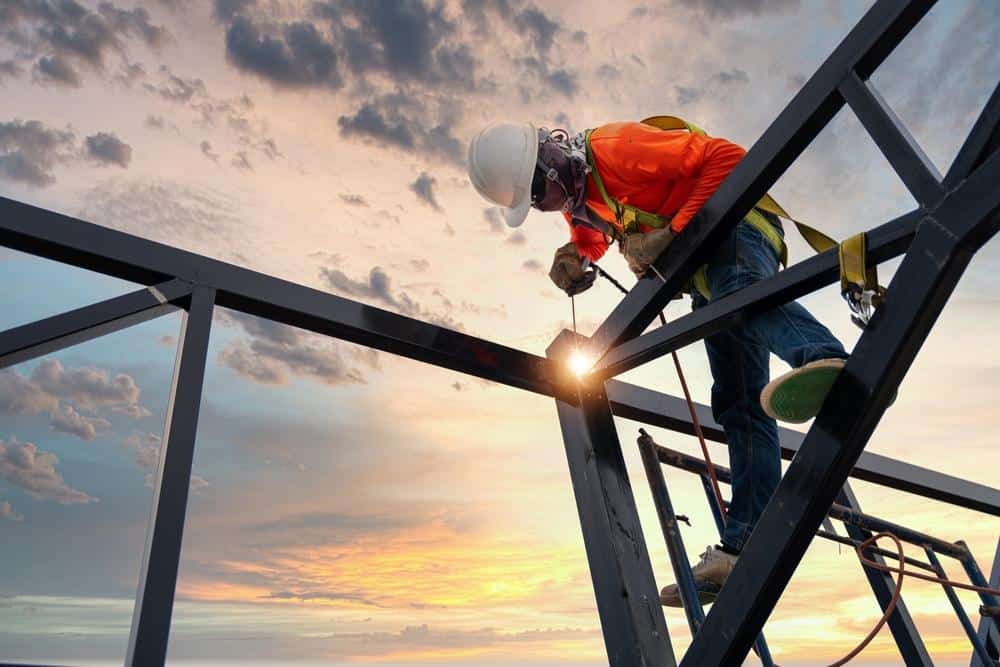
Heavy-duty construction leaves little room for weak joints, poor measurements, or inferior materials. A single fabrication flaw can affect structural stability, delay installation, and raise repair costs. Builders who value lasting performance put quality ahead of short term savings. The best steel fabrication gives demanding projects the strength and precision required to withstand serious workloads.
Strength starts with the right materials
Every durable steel structure begins with suitable raw materials. Steel grades must match load requirements, environmental conditions, and design specifications. Low grade stock may reduce initial expenses, but it also increases the risk of cracks, bending, and premature wear.
Steel fabricators check material certificates, dimensions, and surface conditions before production. Such checks help builders avoid costly replacements and protect structural performance throughout the service life of a project.
Accuracy protects structural integrity
Heavy duty builds require accurate cuts, aligned components, and dependable connections. Even small measurement errors can affect how beams, columns, and support frames fit together. Modern cutting machines and calibrated measuring tools help fabricators maintain exact dimensions.
Workers also check drawings before production and compare finished components against approved specifications. Accurate fabrication supports smooth assembly and helps structures handle demanding loads without unnecessary stress.
Strong welds support demanding loads
Welding quality has a direct effect on structural reliability. Weak seams, poor penetration, and inconsistent weld profiles can introduce serious points of failure. Qualified welding teams follow approved procedures and select suitable techniques according to material thickness and joint design.
Visual inspections and suitable nondestructive tests reveal hidden defects. Sound welds help steel connections withstand vibration, pressure, movement, and repeated loading across demanding applications.
Quality checks reduce costly setbacks
A strict inspection process catches defects before steel components reach the construction site. Fabricators examine dimensions, welds, finishes, and protective coatings at key production stages.
Surface preparation and suitable corrosion protection also help steel resist moisture and harsh industrial conditions. Proper inspection records give project teams confidence in component quality and reduce delays linked to rework, rejected deliveries, or unexpected site adjustments.
Reliable fabrication supports long term value
Heavy duty structures serve factories, warehouses, bridges, and industrial facilities under demanding conditions. Poor fabrication can lead to frequent maintenance, safety concerns, and expensive downtime. Quality work supports dependable performance throughout daily operations.
Builders gain stronger structures, smoother installation, and better control over lifetime costs. Choosing quality steel fabrication protects investment and gives every major build a dependable foundation.